ABC Islands Vacation Guide: Aruba, Bonaire and Curaçao
The ABC Islands — Aruba, Bonaire and Curaçao — sit in the southern Caribbean, just off the coast of Venezuela. They share Dutch Caribbean roots, dry landscapes and excellent water, yet they feel quite different once you’re on the ground. This ABC Islands vacation guide explains how to choose among them. It also covers what to do on each island, and when a cruise stop is enough.
Comparing a land stay with a resort week elsewhere? Our guides to where to stay in Jamaica and the best Caribbean all-inclusive resorts can help. For a larger resort-and-golf island in the region, see our Casa de Campo guide.
ABC Islands at a glance
- Aruba: the most developed for a beach vacation, with Palm Beach, Eagle Beach and easy resorts.
- Bonaire: the quietest, and the best of the three for diving and snorkeling, including a day trip to Klein Bonaire.
- Curaçao: the most urban and cultural, thanks to Willemstad, with beautiful coves a short drive from town.
- Getting there: fly into Aruba (AUA), Curaçao (CUR) or Bonaire (BON). A southern Caribbean cruise is the other common way to visit.
- Best for: beaches, snorkeling and diving, a dry climate and a trip that sits south of the main hurricane tracks.
Which ABC island should you choose?
Pick Aruba if you want a straightforward beach vacation: a resort, a palapa on the sand, and plenty of restaurants. Bonaire is the one to choose if the trip is really about the water; the island is small, low-key and set up for divers. Curaçao is the best fit if you want both beaches and a walkable city. Willemstad gives you more to do on a rest day than the other two capitals.
You can visit all three, but it’s a lot for one week once you count the inter-island flights. Therefore, most travelers pick one island for a land stay. Others sample two on a cruise and go back later to the one they liked most.
Aruba: beaches, resorts and an easy first stay
Aruba is the most polished of the ABC Islands. It’s also the simplest place to land on a first trip to the southern Caribbean. Palm Beach is the high-rise resort strip, with a wide beach and a busy evening scene. Just south, Eagle Beach is broader, a little quieter, and famous for its palapas and low-rise hotels.


Away from the sand, Arikok National Park covers much of the rugged interior. The California Lighthouse is a classic west-end stop. Golfers can play Tierra del Sol, which sits in the drier, windy north. In Oranjestad, you can walk, shop and eat, especially if you’re coming off a cruise ship for the day.
Aruba works well as an all-inclusive or a hotel-plus-restaurants trip. The west-coast beaches are the main event, so you don’t need to change hotels. For official visitor information, start with Aruba’s tourism site.
Bonaire: diving, snorkeling and a slower pace
Bonaire is the quietest of the ABC Islands, and that’s the point. The island is a long-standing dive destination. Shore diving is unusually easy by Caribbean standards, and a marine park protects the coast. Even if you don’t dive, the snorkeling is excellent. A boat trip to Klein Bonaire is one of the best days you can have on the water.

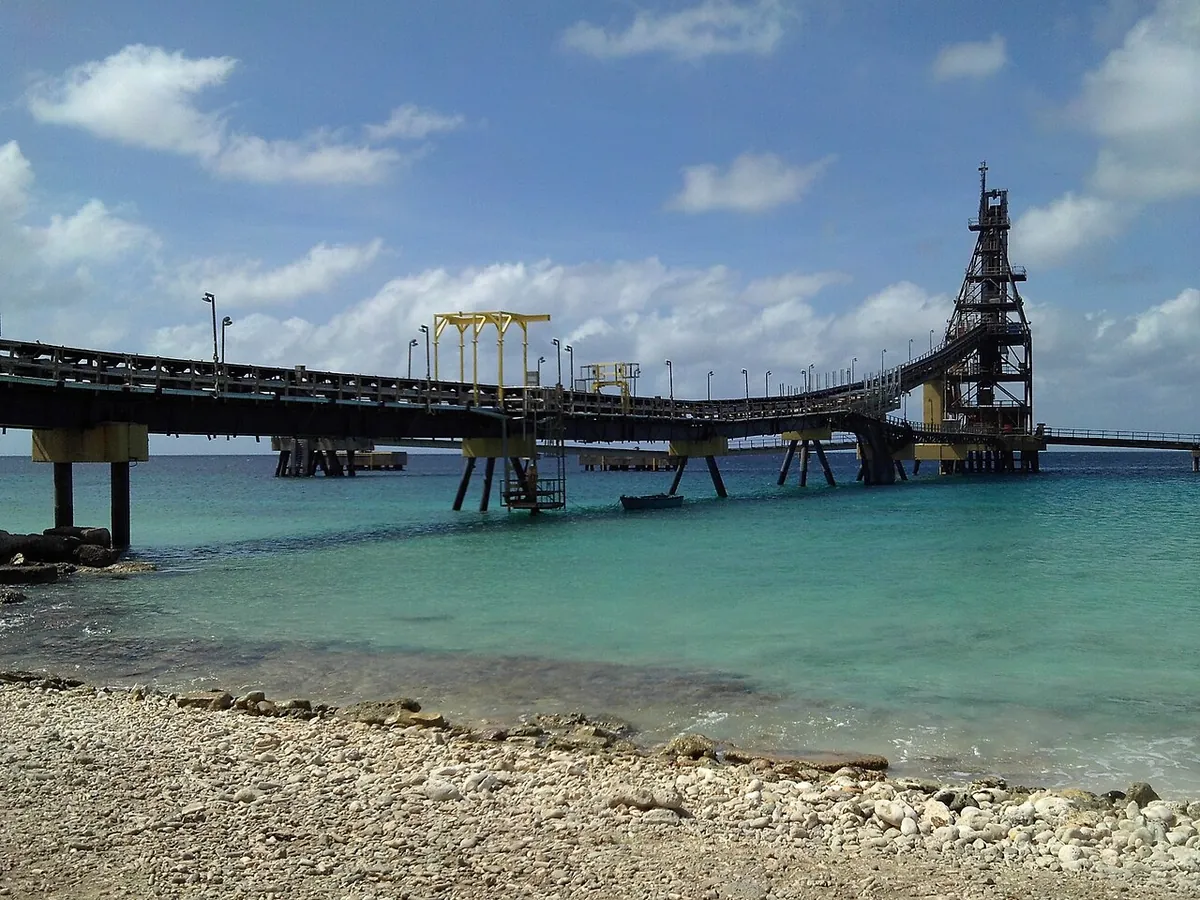
On land, the island is dry, bright and unhurried. Kralendijk is a small, walkable town. The south end is known for its salt pans and the Salt Pier, a landmark that also marks good water. Washington Slagbaai National Park in the north is the place for a more rugged day, with beaches and trails. Go only if the roads and your rental car are up to it. Flamingos are part of the landscape around the salt flats, though you should keep your distance and use official viewpoints.
Bonaire is less about nightlife and more about early mornings in the water. As a result, it suits divers, snorkelers and travelers who want a quieter ABC Islands vacation. See Tourism Corporation Bonaire for current park and marine rules.
Curaçao: Willemstad, coves and a little more city
Curaçao sits between the other two in both geography and mood. Willemstad is the standout. You’ll find the colorful Handelskade waterfront, the floating Queen Emma Bridge, and the neighborhoods of Punda and Otrobanda. Together they form a UNESCO World Heritage site. You can spend a full day in town and not feel you’ve wasted beach time. The city is the attraction.

The beaches are worth the drive, though. Grote Knip (Kenepa Grandi) is one of the best-known coves: a sweep of pale water under a low bluff. Other west-coast bays have a similar feel, and some are more developed with beach clubs. Shete Boka National Park, on the north shore, is a different landscape entirely, with limestone inlets and rough surf.
Curaçao is a good choice if you want restaurants, walking and a bit of nightlife along with swimming and snorkeling. It’s also a rewarding cruise port, because you can see Willemstad on foot even with a short time alongside. Official planning help is on Curaçao’s tourism site.
Seeing the ABC Islands on a cruise
Many visitors first see the ABC Islands from a southern Caribbean cruise. Ships often call at one or more of the islands. That includes Royal Caribbean itineraries on vessels such as Navigator of the Seas, sometimes on a longer voyage with other ports. A cruise is a useful sampler. You can walk Willemstad, spend a beach day in Aruba, or snorkel in Bonaire, all without committing to three flights.
However, a port day is short. Bonaire and Curaçao reward a longer stay. Aruba’s west-coast beaches also feel better when you’re not watching the clock back to the ship. If you fall for one island, go back and stay put.
Where to stay in the ABC Islands
- Aruba: Palm Beach for energy and a wider choice of hotels; Eagle Beach for a lower-rise, beach-first stay.
- Bonaire: small hotels and dive resorts around Kralendijk, so you can walk to dinner and get in the water quickly.
- Curaçao: stay in or near Willemstad for the city. Choose a west-coast beach hotel if swimming is the priority.
Price bands, rather than exact rates: $$ is a comfortable mid-range hotel. $$$ is a stronger resort, and $$$$ is the top tier, mostly in Aruba. All-inclusives are easiest to find in Aruba; Bonaire and Curaçao lean more toward stay-and-eat-out.
Best time for an ABC Islands vacation
The ABC Islands sit outside the main Caribbean hurricane belt, which is a genuine advantage. Still, no island is risk-free in hurricane season. The most comfortable months are generally December to April, when it’s drier and a little cooler. May can still be excellent. In summer and early fall, expect more heat, more humidity and a higher chance of brief rain. The payoff is fewer crowds and, often, better hotel availability.
The islands are windy, especially Aruba. That breeze is pleasant on the beach, and it’s useful to remember if you’re planning a boat day or a round of golf.
Getting between the islands
Direct flights from the United States and Europe are most frequent to Aruba, then Curaçao. Bonaire has fewer long-haul options, so many visitors connect through Aruba, Curaçao or a Dutch hub. Short inter-island flights link all three, and that’s the practical way to island-hop. Ferries are not a standard tourist option here, unlike in some other Caribbean groups. Don’t plan a hop on a whim.
On each island, a rental car helps if you want beaches or parks beyond the main strip. In Willemstad and Kralendijk, you can do a lot on foot once you’ve parked.
A sample ABC Islands plan
- Aruba, 5–7 nights: two beach days, one afternoon in Oranjestad, one day in Arikok or at the lighthouse, and a dinner on Palm Beach.
- Bonaire, 5–7 nights: dive or snorkel most mornings, a boat trip to Klein Bonaire, and one land day for the salt flats or Washington Slagbaai.
- Curaçao, 5–7 nights: a full day in Willemstad, two or three beach days on the west coast, and a north-shore stop at Shete Boka.
- Cruise sampler: walk Willemstad or take a beach excursion in Aruba; save a land stay for the island you want to see properly.
FAQ
Which of the ABC Islands is best for a first visit?
Aruba is the easiest first stay. The beaches and hotels are straightforward, and the island is set up for a classic beach vacation. Choose Curaçao if you also want a city you can walk. Choose Bonaire if snorkeling or diving is the reason you’re going.
Are the ABC Islands in the hurricane belt?
They sit farther south than most Caribbean vacation islands, so they are less often hit by hurricanes. Even so, tropical weather can still affect flights and sea conditions. Travel with the usual flexibility from June through November.
Can you visit Aruba, Bonaire and Curaçao in one trip?
Yes, but it’s tighter than it looks. Inter-island flights are short, yet airport time adds up. A week is more comfortable on one island. Two islands in 10 to 12 days is realistic; all three is better as a cruise overview or a longer trip.
Do you need a passport for the ABC Islands?
For most visitors flying from the United States or Europe, yes, you need a valid passport. The islands are a constituent country or special municipalities of the Kingdom of the Netherlands, not a U.S. territory. Check current entry rules before you book.
Is a cruise or a land stay better?
A cruise is a good introduction if you want to see more than one island. You avoid packing and flying each time. A land stay is better if you want unhurried beach days or repeated dives. It’s also better if you want time to explore Willemstad beyond a port afternoon.
Plan this trip
Compare fares for this trip, then book with the airline or agency.
Compare fares, then continue to the airline or agency to book.