Barbados Travel Guide: Beaches, Parishes and When to Go
Updated November 2026. Entry rules, currency and climate figures were checked against official sources on November 27, 2026. Some links and the flight search on this page are affiliate links; we may earn a commission if you book, at no extra cost to you. See our Affiliate Disclosure.
Barbados is a compact Caribbean island with a clear split in character: calm, swimmable beaches on the west and south coasts, and a rugged Atlantic shoreline on the east. You can base yourself near the water, spend a day in Bridgetown, and still have time for an inland excursion, without changing hotels. This Barbados travel guide helps you pick a coast, understand money and driving, and plan around the weather.
Quick answers
- Best for a first beach week: stay on the west coast (the Platinum Coast) or the south coast, where the water is calmer than on the Atlantic-facing east side.
- Best time: December through April is the drier period. January is one of the sunniest months, with an official average of 8.5 hours of sunshine a day.
- Money: the Barbados dollar is pegged at US$1 = BDS$1.98. U.S. dollars are accepted island-wide, according to Visit Barbados.
- Driving: traffic keeps to the left. Complete the official online immigration and customs form in the 72 hours before you arrive.
West, south and east: which Barbados coast to choose
The island is only about 21 miles long, but the three coasts feel different enough that your hotel choice matters. Think about swimming first, then nightlife and travel time to the airport.
The west coast, for calm water
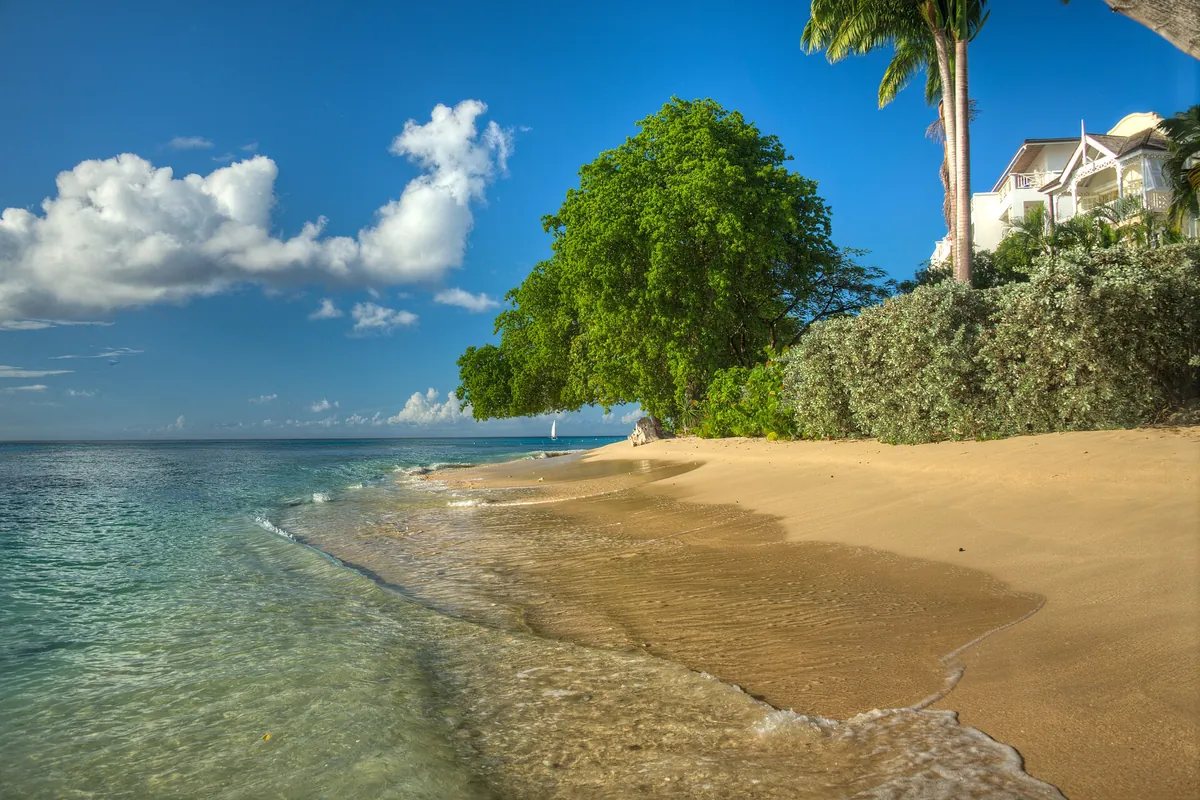
The west coast, often called the Platinum Coast, faces the Caribbean Sea. This is where most visitors go for swimming and snorkeling, with long-standing beach stretches around Paynes Bay, Holetown and Speightstown. Resorts and restaurants sit close to the sand, and the water is typically gentler than on the east side.
Folkestone Marine Park, near Holetown, is a straightforward place to snorkel near shore on the west coast. Confirm current access and any notices on Visit Barbados or the park’s official page before you go.
The south coast, for a livelier base
The south coast, from the outskirts of Bridgetown through Hastings, Worthing and St. Lawrence Gap to Oistins, is a practical first-timer base. Beaches such as those along Carlisle Bay and the Accra–Miami Beach stretch are popular for swimming, and you are closer to restaurants, nightlife and Grantley Adams International Airport (BGI) than you are on the far north of the west coast.
Carlisle Bay, just south of Bridgetown, is a sheltered bay with wrecks that attract snorkelers and divers. It is also the setting many people see on arrival or when they visit the capital.
The east coast, for scenery rather than swimming
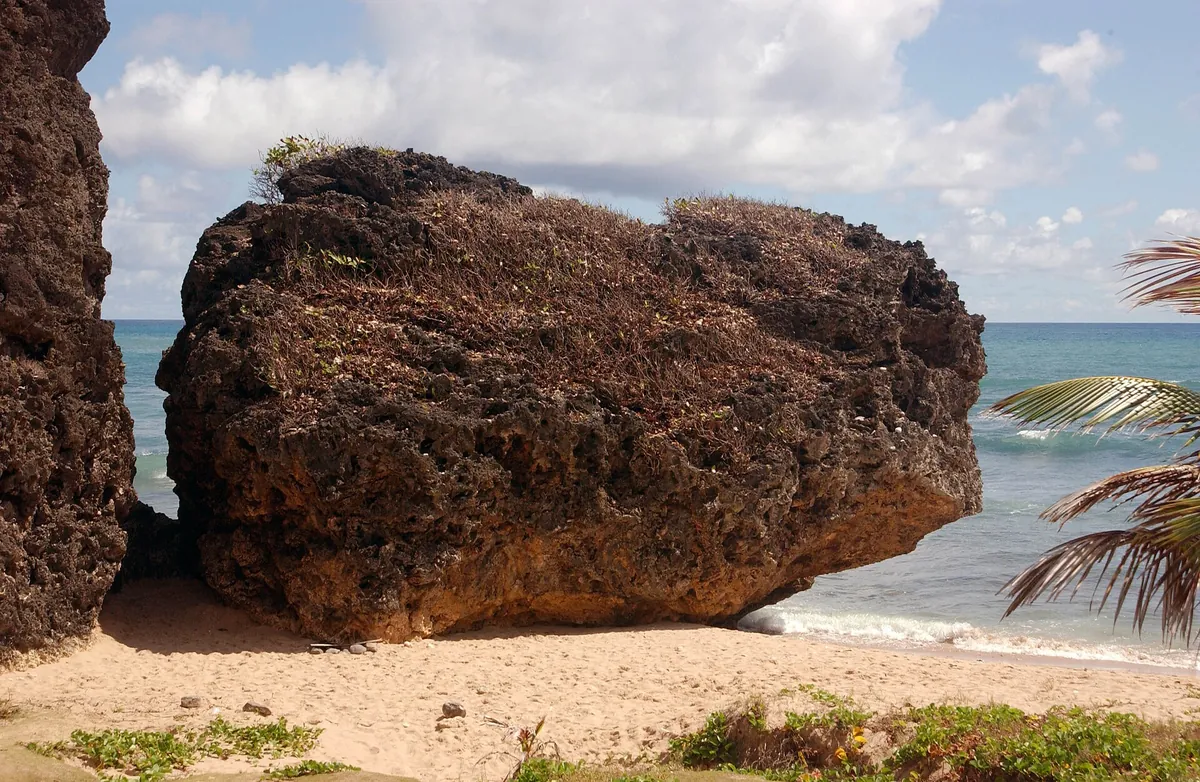
The east coast faces the Atlantic. Bathsheba, with its coral boulders and surf, is the signature stop, and the Soup Bowl is a known surf break. The water is rougher here, and it is a better day trip for views and a walk than a place to settle in for a swim-every-day holiday. If you stay on the west or south coast, an east-coast drive is an easy contrast.
Bridgetown and a day inland
Historic Bridgetown and its Garrison is a UNESCO World Heritage site, with the colonial garrison area, the Careenage and a walkable downtown. It is worth a half day even if you are here mainly for the beach. Use official sites and marked pedestrian areas, and keep valuables out of sight; petty crime is the main issue flagged in travel advisories.
Inland, Harrison’s Cave is the best-known cave attraction and is easy to combine with an east-coast stop. Confirm tour times on the official Harrison’s Cave site. The island’s small size is the point: you rarely need more than a day to see a different side of Barbados and still be back at the beach for a late swim.
When to go to Barbados
December through April is the drier, busier season. Barbados Meteorological Services 1991–2020 normals give January an average high of 84.4°F, a low of 73.9°F, 2.68 inches of rain over about 11 rain days, and 8.5 hours of sunshine a day. October is the wettest month in that record, at 7.07 inches. Our guide to the best Caribbean islands to visit in January puts those figures next to other islands.
The Atlantic hurricane season runs from June 1 to November 30. Barbados can still be a good trip in the early summer, with fewer crowds, but you should book flexible rates and read our hurricane season travel guide. Crop Over, the island’s main festival season, typically builds through midsummer and is worth planning around if you want music and street events rather than a quiet beach week. Confirm current festival dates on Visit Barbados.
Money, water and driving in Barbados
Visit Barbados states that the Barbados dollar is pegged to the U.S. dollar at US$1 = BDS$1.98, that U.S. dollars are accepted island-wide, and that most stores and restaurants take major credit cards. Keep some local currency for smaller purchases, and check the rate you are offered when you pay in U.S. dollars so you are not surprised by rounding.
Tap water is treated by the Barbados Water Authority. Visit Barbados describes the supply as safe to drink. Many visitors still prefer bottled water out of habit; either way, you do not need to treat this like a destination where tap water is routinely off-limits.
Driving is on the left, as the U.S. State Department and Barbados tourism sources both note. Main roads are generally usable, but they can be narrow, with sudden stops and occasional potholes, especially at night or on rural roads. Rental companies typically arrange a visitor driving permit; if you are not renting through a company that handles it, confirm the current permit process with official Barbados transport authorities. Registered taxis and larger public buses are the usual alternative if you would rather not drive.
Getting to Barbados, and entry rules
Almost everyone arrives at Grantley Adams International Airport (BGI) in the south. That is one reason a south-coast hotel is convenient on a short trip. Direct flights run from the United States, Canada, the United Kingdom and other Caribbean islands; schedules change by season, so check current nonstop options when you book.
The Barbados Immigration Department requires travellers to complete the online Immigration and Customs Form, which becomes available 72 hours before arrival. Save or print the receipts and present them on arrival. The same official page says your passport must be valid for at least six months, and that you need a return ticket, an intended address and evidence of personal support. The U.S. State Department’s Barbados page, by contrast, says a U.S. passport must be valid at the time of entry and that no visa is required for stays under six months. When official sources disagree, follow the stricter Barbados immigration rule and recheck both pages before you fly.
Travelling with a minor who is unaccompanied, or who is not with both parents, has extra documentation requirements on the official immigration page, including a notarized consent letter. Read that page carefully if it applies to your group.
Where to stay in Barbados
Choose the west coast for a quieter, calmer-water hotel stay, especially around Paynes Bay and Holetown. Choose the south coast if you want more restaurants within a short walk, easier airport access and a slightly livelier evening scene around St. Lawrence Gap and Oistins. All-inclusive resorts exist on both coasts; they are one option, not the only way to visit. If you are comparing regional all-inclusives, see our guide to the best Caribbean all-inclusive resorts.
A week is enough for a beach-focused trip with two or three excursions. Ten days lets you slow down, spend a full day in Bridgetown and the Garrison, and still get to Bathsheba without rushing.
FAQ
Is Barbados good for a first Caribbean trip?
Yes. It is English-speaking, compact, and easy to navigate, with a wide range of hotels on swimmable beaches. You can have a simple beach week or add Bridgetown, a cave visit and an east-coast drive without a complicated itinerary.
What is the best area to stay in Barbados?
The west coast is best for calm swimming and a resort feel. The south coast is best if you want more dining and a shorter transfer from the airport. Use the east coast as a day trip unless you specifically want surf and scenery rather than daily swimming.
Do I need a visa for Barbados?
U.S. citizens do not need a tourist visa for stays under six months, according to the U.S. State Department. You still need a valid passport and must complete the official online immigration and customs form. Travellers from other countries should check the Barbados Immigration Department visa lists.
Can you drink the tap water in Barbados?
Visit Barbados describes the Barbados Water Authority supply as safe to drink. Many hotels still provide bottled water, and you can follow that if you prefer, but this is not a destination where tap water is generally considered unsafe.
When is hurricane season in Barbados?
The Atlantic hurricane season runs from June 1 to November 30, with the highest historical risk in the late summer and early fall. Many trips still go smoothly then, but you should book flexible rates and read our hurricane season travel guide.
More Caribbean guides
If you are choosing a winter island, start with the best Caribbean islands to visit in January. For a multi-island comparison that includes The Bahamas, see our Bahamas travel guide. The Caribbean vacation guides hub collects the rest of our island coverage.
Plan this trip
Compare fares for this trip, then book with the airline or agency.
Compare fares, then continue to the airline or agency to book.