
Hurricane season travel can be a smart way to find quieter beaches and lower rates in Florida, the Caribbean and Mexico. Still, it needs a plan. This guide explains when the season runs, when the risk is highest, which areas sit lower on the map, and how to protect your trip with flexible bookings, insurance and the right forecasts.
Everything here comes from official sources, such as NOAA’s National Hurricane Center (NHC), government consumer pages, and airline and resort policies. We do not predict storms. Instead, we show you how to plan around them.
Quick answers
- Atlantic season: June 1 to November 30. This covers Florida, the Caribbean and Mexico’s Caribbean coast, including Cancun.
- Peak: The NHC puts the peak on September 10, with most activity from mid-August to mid-October.
- Mexico’s Pacific coast: The eastern Pacific season starts earlier, on May 15, and also ends on November 30.
- Lower-risk area: Aruba sits on the southern fringe of the hurricane belt, according to its weather service. Lower risk is not zero risk, though.
- Insurance: Buy it soon after you book. Policies bought after a storm is named typically will not cover that storm.
- Upside: Central and southern Florida are outside their winter busy season, and some resorts run sales. For example, Sandals markets June to November as its “Savings Season.”
When hurricane season travel carries the most risk
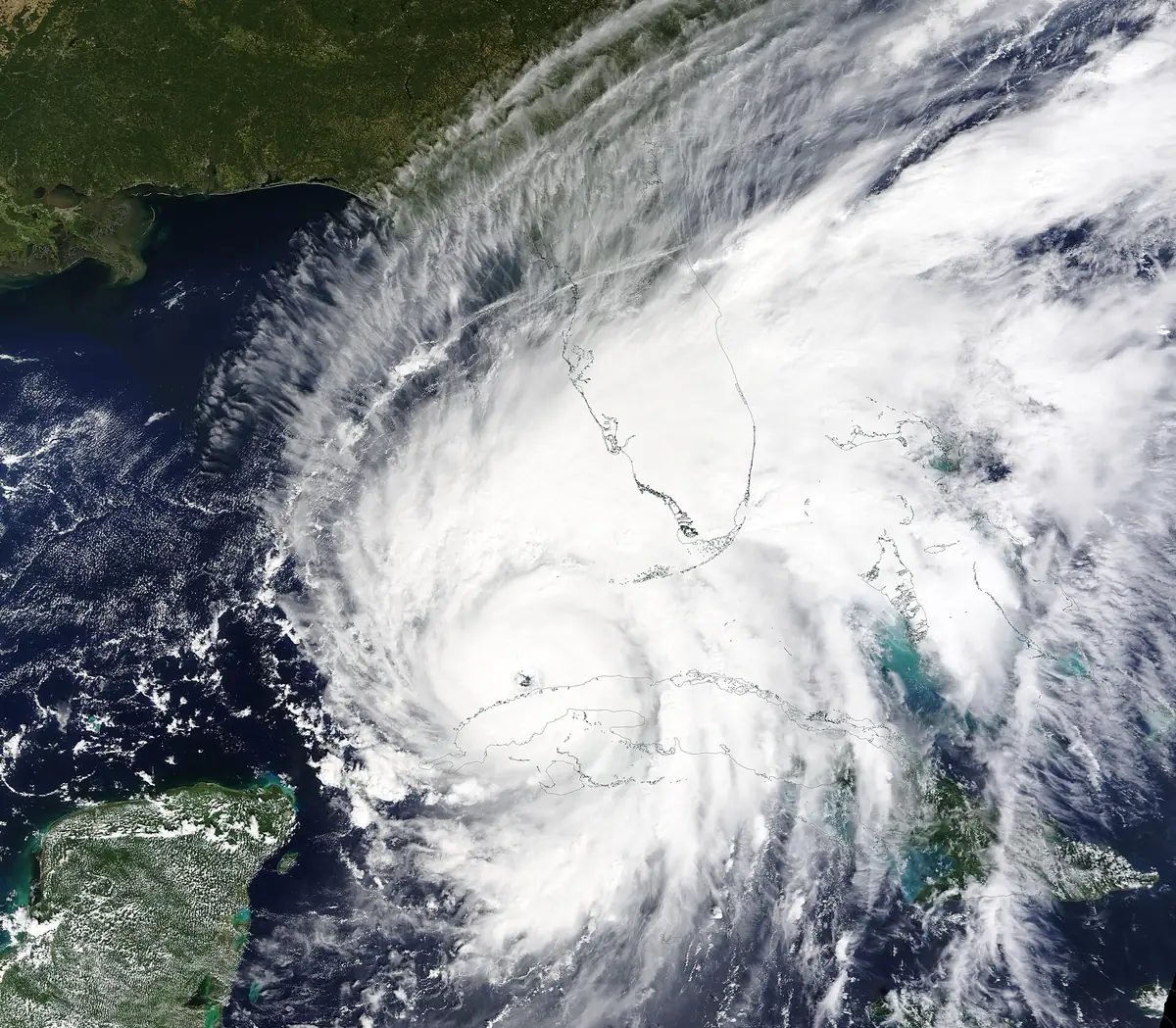
The Atlantic hurricane season officially runs from June 1 to November 30, according to the NHC’s season dates page. The Atlantic basin includes the Atlantic Ocean, the Caribbean Sea and the Gulf. However, storms can form before and after those dates.
The NHC’s climatology page explains the shape of a typical season. The peak is September 10, and most activity falls between mid-August and mid-October. Based on 1991–2020 data, an average Atlantic season has 14 named storms, 7 hurricanes and 3 major hurricanes. The first named storm typically forms in mid to late June, and the first hurricane in early to mid-August.
In practice, that gives you three planning zones. June and July are early season, with storms possible but less common. Mid-August to mid-October is the heart of the season. Finally, late October and November are the tail, when activity usually fades.
Hurricane season month by month
| Month | Atlantic season | What it means for your trip |
|---|---|---|
| May | Before the season (Mexico’s Pacific season starts May 15) | Florida’s wet season begins. Pacific Mexico enters its season mid-month. |
| June | Season starts June 1 | The first named storm typically forms in mid to late June. |
| July | Early season | Storms are possible. Flexible bookings are a good idea. |
| August | Activity rises | The first hurricane typically forms in early to mid-August. |
| September | Peak (September 10) | The busiest part of the season. Book refundable rates and watch forecasts. |
| October | Still active through mid-month | Activity usually drops later in the month. |
| November | Season ends November 30 | The tail of the season. Florida’s dry season starts. |
| December to April | Outside the official season | Florida’s dry, busy season. The NHC notes that storms sometimes form outside the official season. |
Lower-risk areas for hurricane season travel
No beach is storm-proof. Even so, some places sit outside the main storm tracks.
Aruba and the ABC islands
The Aruba Meteorological Department says Aruba is on the southern fringes of the hurricane belt. It adds that considerable damage from tropical cyclones passing just south of the island happens only about once every 100 years. However, storms passing to the north can still cause beach erosion and coastal flooding. Aruba’s tourism authority, on its hurricane season page, says the island has not been directly hit by a hurricane in recent history. It notes that Hurricane Ivan in 2004 passed north of the island and caused high waves and some inland flooding.
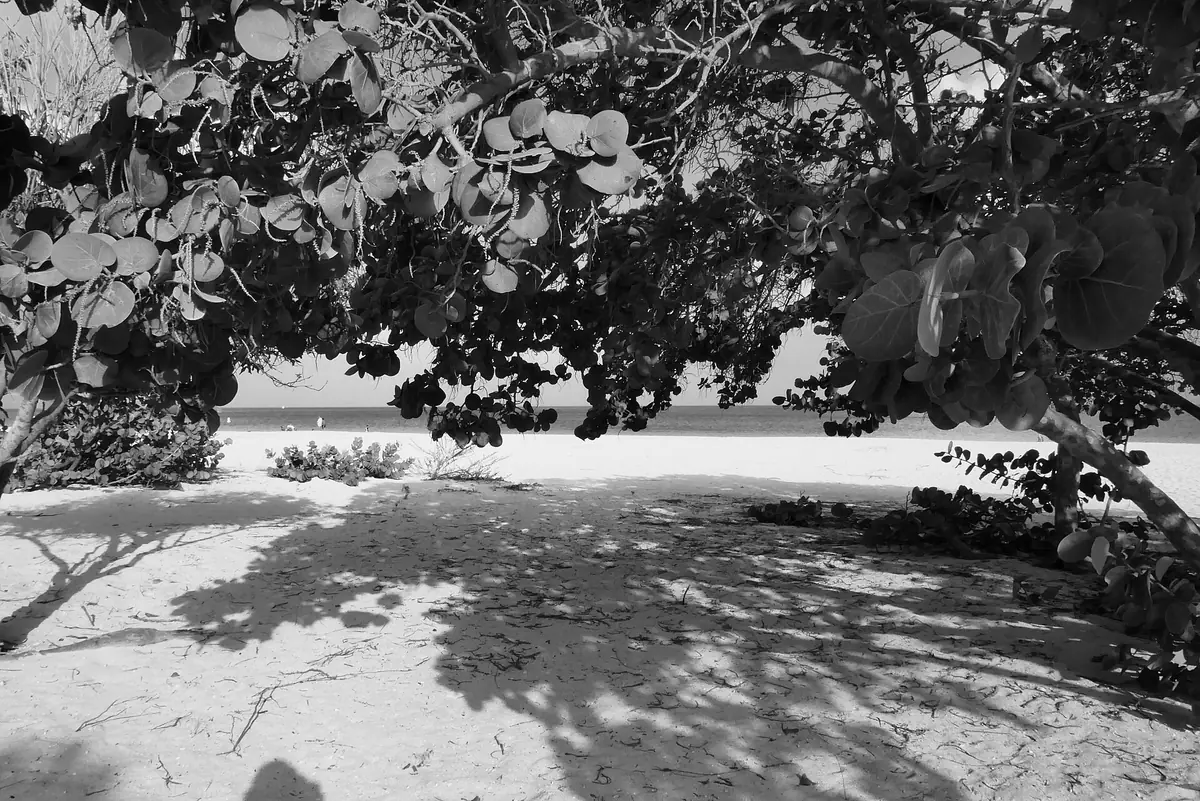

Bonaire and Curaçao are Aruba’s neighbors in the southern Caribbean, off the coast of Venezuela. Still, check each island’s own weather service before you go. Also note that Aruba’s rainy season runs roughly from September through January, so a lower hurricane risk does not mean a dry week. Our ABC islands guide covers beaches, towns and planning.
Florida’s timing, not just its location
Florida does not have a “safe” coast. Instead, timing matters more. Early summer and November sit outside the peak, while September is the riskiest month. Also, Florida’s wet season runs from May through October, according to the National Weather Service in Melbourne. That brings frequent afternoon thunderstorms, even in a quiet hurricane year.
Mexico: the Caribbean side vs. the Pacific side
Mexico has two hurricane seasons, one for each coast. Cancun, Isla Mujeres and the rest of the Mexican Caribbean are in the Atlantic basin. So, they follow the June 1 to November 30 season.
The Pacific coast is different. Puerto Vallarta, Riviera Nayarit and Los Cabos sit in the eastern Pacific basin. According to the NHC, that season runs from May 15 to November 30. Based on 1991–2020 data, an average eastern Pacific season has 15 named storms, 8 hurricanes and 4 major hurricanes. Also, its first hurricane tends to form in late June, earlier than in the Atlantic.
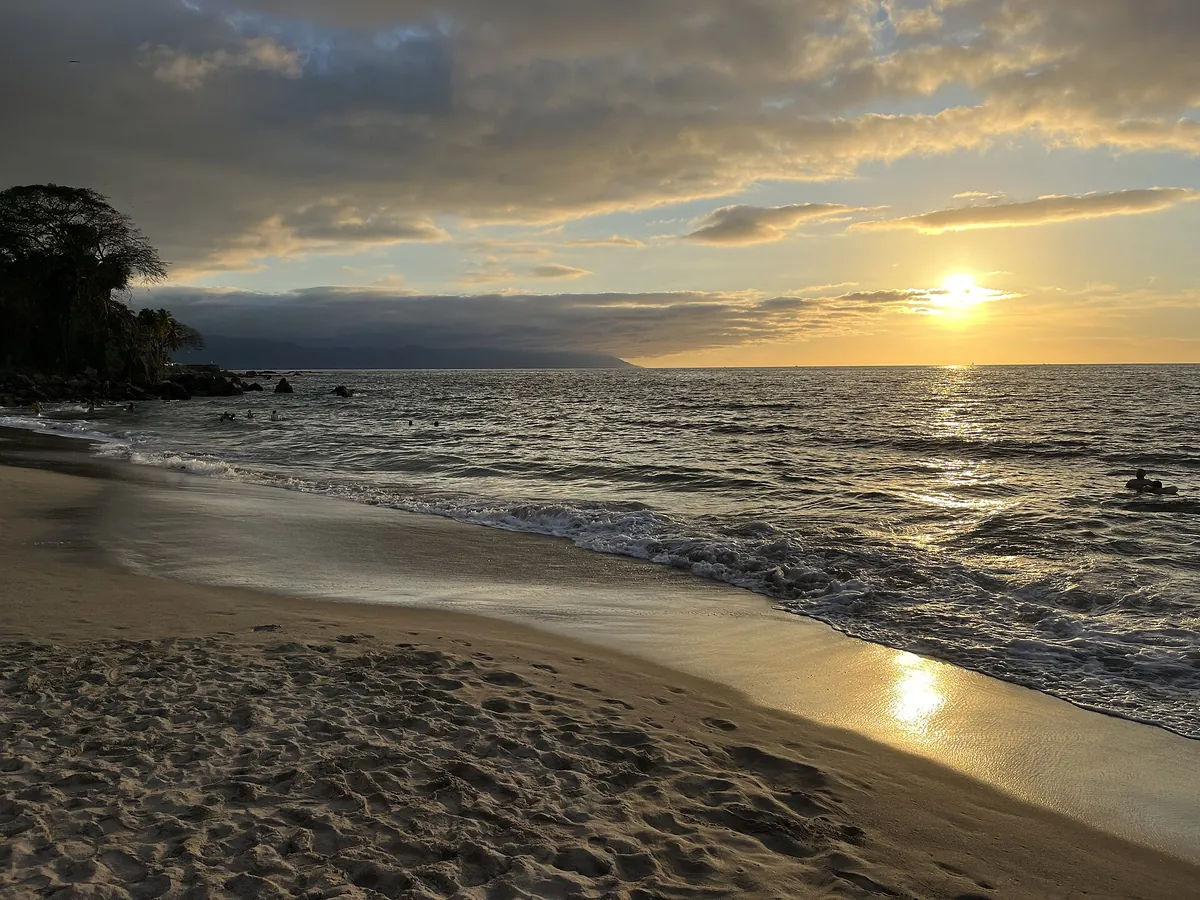
In short, do not assume the Pacific side is quieter in early summer. Check the eastern Pacific outlook too, not only the Atlantic one.
How to protect a hurricane season trip
Good hurricane season travel planning comes down to four things: flexible bookings, the right insurance, knowing your rights, and watching the forecast.
Travel insurance, including cancel for any reason
The National Association of Insurance Commissioners (NAIC) explains the main types of travel insurance. It says policies usually cost 5% to 10% of the total trip price.
- Trip cancellation, interruption and delay: This reimburses prepaid, nonrefundable costs if a covered reason stops you from taking all or part of your trip.
- Cancel for any reason (CFAR): This add-on lets you cancel for a reason the base policy does not cover. According to the NAIC, it refunds part of the cost, typically 50% to 75%. It usually requires you to buy within a set time, insure the full trip cost and cancel at least 48 hours before departure. It can add close to 50% to the cost of the insurance.
- Travel medical and medical evacuation: These cover care and transport abroad, where many US health plans do not pay.
Timing matters most. For example, Generali’s travel insurance FAQ says that if you buy a plan after a storm is named, it typically will not cover losses from that storm. Therefore, buy coverage soon after you book. Then read the weather and “hurricane” sections of the policy before you pay.
Airline rights and weather waivers
If an airline cancels your US flight, federal rules protect you. Under the Department of Transportation’s refund rule (14 CFR 260.6), you are owed a full refund, including taxes and fees, if the airline cancels a flight to, from or within the US and you turn down the rebooking or voucher.
Airlines also post weather waivers when storms threaten. For example, American Airlines’ travel alerts page says that when severe weather affects your flight, you may be able to change your trip with no change fee. Likewise, Delta posts current weather advisories on its SkyWatch weather advisories page. Each waiver has its own airports and dates, so check the details for your trip.
Resort weather policies
Some resorts publish their own weather protection. For instance, Sandals said it included a weather protection plan at no extra charge for travel between August and October 2026. However, these offers change from year to year, so confirm what applies to your dates.
Also read the fine print. Sandals’ terms say the resort can restrict access to amenities and activities because of weather, including hurricanes. If a resort does not publish a weather policy, ask for it in writing before you pay.
Monitor the forecast
The NHC is the official source for Atlantic and eastern Pacific storms. Its Tropical Weather Outlook shows the chance of a storm forming over the next 2 and 7 days. Check it in the week before you leave, and then daily while you travel. In addition, US citizens traveling abroad can enroll in the State Department’s Smart Traveler Enrollment Program to get alerts from the local US embassy.
The upside: golf and beach trips in the off-season
Hurricane season travel has real benefits. To begin with, VISIT FLORIDA says winter is the busy season for most of central and southern Florida. So, summer and early fall are outside the peak there, which often means quieter beaches. Plus, the water is warm. According to VISIT FLORIDA’s FAQ, Florida’s water is generally warm enough to swim from April through October.
Resort sales follow the same pattern. Sandals, for example, promotes June through November as its “Savings Season.” That makes the shoulder months, such as June or November, worth pricing.
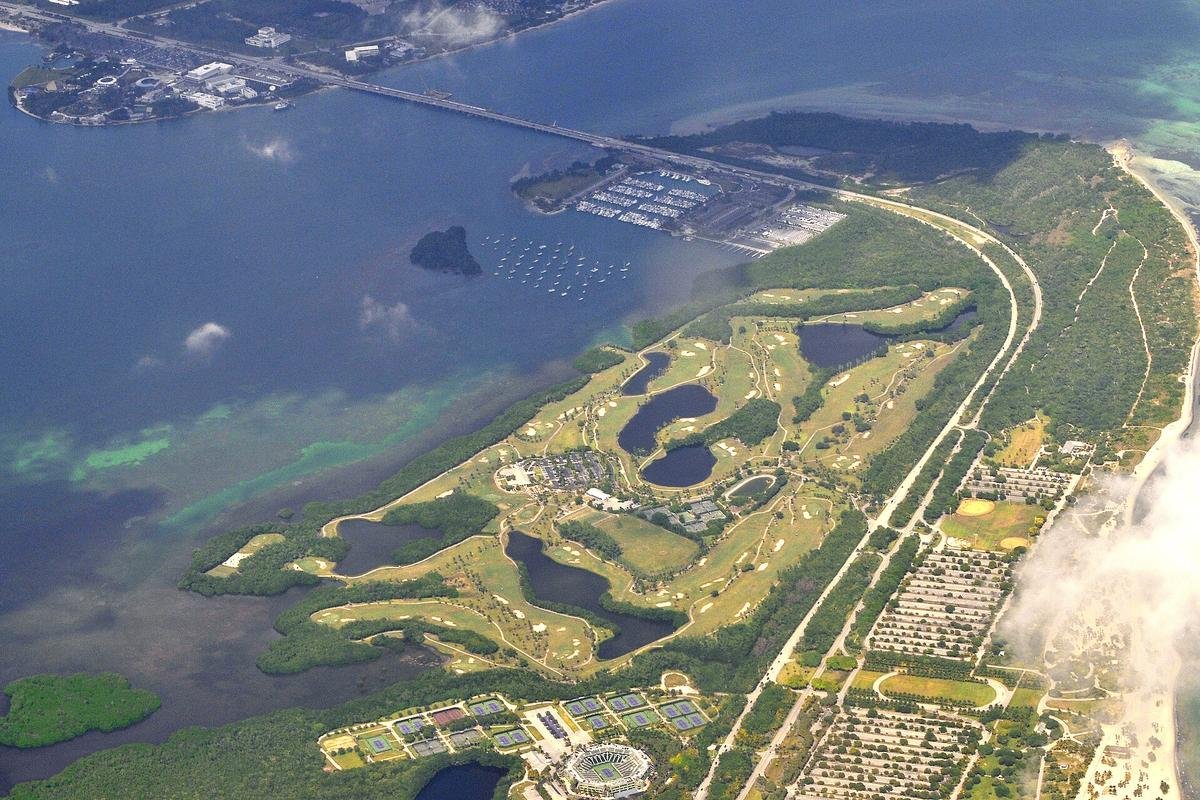

Golfers can also do well in the off-season. VISIT FLORIDA’s golf page says Florida golf is available every day of the year. Summer afternoons bring storms, though. The Florida Climate Center notes that Florida typically leads the nation in lightning deaths, partly because of outdoor activities such as golf. So, book the first tee times of the day and finish before the afternoon storms build.
For trip ideas, start with our family golf vacations, golf buddy trips and all-inclusive golf guides. Then see our school break beach vacations guide if you are tied to school dates.
Get the free Florida golf trip planner
Our free planner includes a month-by-month calendar with hurricane season, Florida’s wet and dry seasons, and official school break dates. Sign up below, then confirm by email.
More beach and golf guides
For destination ideas, browse our Florida beach vacation guides, Caribbean vacation guides, Mexico beach vacation guides and golf trip guides. You can also see our Florida Keys guide, the guide to where to stay in Miami, and our pick of the best Caribbean all-inclusive resorts.
FAQ
When is hurricane season in Florida and the Caribbean?
The official Atlantic hurricane season runs from June 1 to November 30. It covers Florida, the Caribbean and Mexico’s Caribbean coast. However, storms can form outside those dates.
What is the worst month for hurricane season travel?
September is usually the riskiest month. The NHC puts the peak of the season on September 10, with most activity between mid-August and mid-October.
Which Caribbean islands are lowest risk during hurricane season?
Aruba sits on the southern fringe of the hurricane belt, according to its meteorological department. Bonaire and Curaçao are its neighbors in the southern Caribbean. Still, storms passing nearby can bring waves, wind and flooding, so lower risk is not zero risk.
When does hurricane season start on Mexico’s Pacific coast?
The eastern Pacific season, which covers Puerto Vallarta, Riviera Nayarit and Los Cabos, starts on May 15 and ends on November 30. By contrast, Cancun follows the Atlantic season, which starts June 1.
Should I buy cancel for any reason insurance for hurricane season travel?
It depends on how much flexibility you need. CFAR typically refunds 50% to 75% of the trip cost, and it adds close to 50% to the price of the insurance, according to the NAIC. Either way, buy coverage before a storm is named.
Do airlines refund flights cancelled for a hurricane?
If an airline cancels a flight to, from or within the US and you decline the rebooking or voucher, federal rules say you are owed a full refund. Airlines also post weather waivers that let you change flights without a change fee.
Is hurricane season a good time to visit Florida?
It can be, especially in June, July or November. The water is warm, and central and southern Florida are past their winter peak. However, keep bookings flexible, plan outdoor time for mornings, and watch the NHC outlook.